
With the increase of wealth of upper middle class and rich population of India, PMS (Portfolio Management Service) has become a preferred investment avenue to get high returns through stock market investing even without much knowledge of stock market investment. The minimum investment amount of 50 Lakhs have become much more affordable to many retailContinueContinue reading “Top PMS for Indian Investors: Performance Insights March 2025”
Tag Archives: investing
Investment Strategies for Different Networth Classes
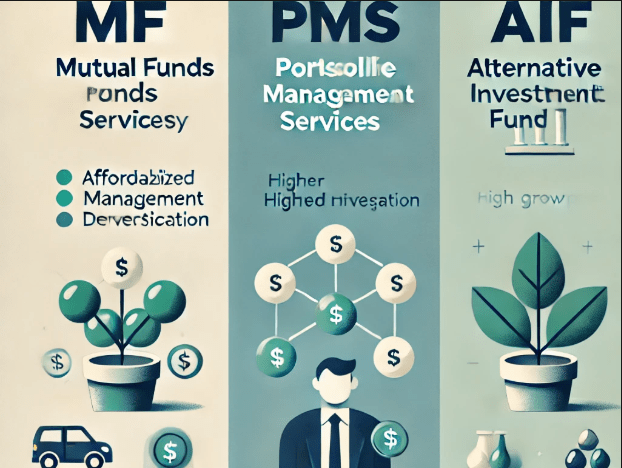
Mutual Funds are very tax efficient Retail Investment product. It provides options to invest in multiple asset classes like Debt/Bonds(similar to FD), Equity (Stocks) as well as Commodities (Gold/Silver). This industry has evolved in past two decades and has products suitable for every type of investors (Any age group : Young/Middle Age/Retirees; Any risk appetiteContinueContinue reading “Investment Strategies for Different Networth Classes”
How Equity Savings Funds Secure Retirees Inflation Adjusted Monthly Income

You may be knowing many Retirees in your known circle or even in your family who doesn’t get any pension from Govt. or Company or any other kind of private pension, or may be getting some private pension, which is not able to take care of their basic monthly expense. However, they may have someContinueContinue reading “How Equity Savings Funds Secure Retirees Inflation Adjusted Monthly Income”
Smallcase vs Mutual Funds and PMS: What Investors Need to Know

Smallcase, launched in 2016, offers retail investors a way to build direct stock portfolios with professional advice at a low fixed cost. It contrasts with Mutual Funds, which manage investments without investor intervention, and PMS, aimed at HNIs with direct execution by managers. While Smallcase suits active investors, practical returns can be lower due to fees and execution delays.
How to Choose the Right Mutual Fund: Key Insights
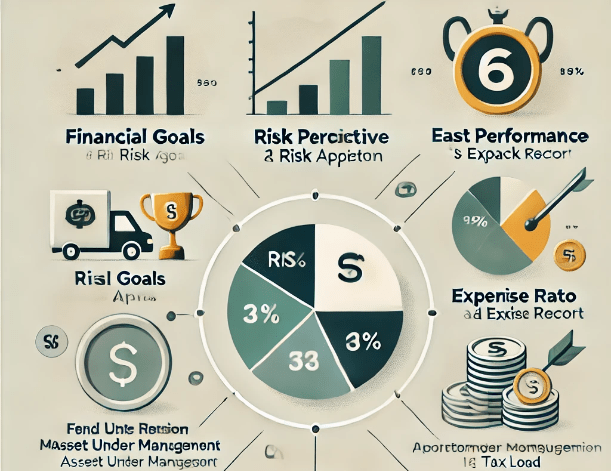
Selecting a suitable Mutual Fund requires more than just evaluating past performance. Investors should consider factors like expense ratios, fund manager experience, asset under management, portfolio turnover, and risk measures. Each mutual fund’s consistency and changing circumstances necessitate regular reviews to align investments with individual goals and risk tolerance.
Index Funds in India: Types and Historical Performance

Every business has a unique potential waiting to be tapped. Recognizing the keys to unlock this growth can set an enterprise on the path to unprecedented success.
Smart Investing with Business Cycle Funds

In the ever-evolving world, the art of forging genuine connections remains timeless. Whether it’s with colleagues, clients, or partners, establishing a genuine rapport paves the way for collaborative success.
 India Investment Corner