
PMS is an investment vehicle for High Networth Individuals (HNIs). Minimum Investment amount needs to be INR 50 Lakhs. PMS are normally High Risk Return investment avenue. Unlike Mutual Fund, in PMS, all stock investments are purchased and sold in the investor’s DEMAT account, which is managed by the Portfolio Manager.
This makes PMS a more transparent investment vehicle as the changes in the stock portfolio is almost visible on daily basis. Additionally, PMS fund sizes are much smaller compared to most Mutual Funds. Hence, PMS have lot more choice of Stocks without much thinking about what would be the price change of the Stock, just because of their own Buy/Sell actions.
PMS portfolio could be generic (all types of listed securities) or focused towards some specific category of securities such as smallcap stocks etc.
PMS Fund types
Just like Mutual Funds, PMS could be in Fully Equity, Hybrid, Multi Asset classes. Within the Equity type PMS there could be portfolios with different Market Cap orientation (Largecap/Midcap/Smallcap), some could be thematic as well. However, most smaller Asset Management companies have just 1-2 Equity PMS Portfolios, which are primarily Flexcicap and can invest in all Market caps., Multi asset type of portfolios can invest in any market cap Stocks as well as in Gold, Debt, Real Estate through REITs etc. Large AMCs have different types of PMS funds to cater to different types of investor needs based on their risk appetite. In terms of Execution, there are two Categories of PMS: Discretionary PMS, where Fund Manager buys/sells the stocks on behalf of Investor without asking Investor. This is the most common type of PMS execution. Benefit here is that execution is fast and Fund Manager can buy at the appropriate price without waiting for investor agreement. Non-Discretionary PM, where Portfolio Managers suggests the Buy/Sell recommendations, actual investor makes the final decision and executes the trade.
Benefits of PMS over Mutual Fund
PMS offers a tailored, actively managed investment strategy suitable for high-net-worth individuals. While PMS carries a higher minimum investment and risk, it appeals to those looking for a more personalized approach, greater control, and enhanced growth potential compared to mutual funds. Here are the key benefits of investing in PMS compared to mutual funds:
Personalized Portfolio Management:
PMS provides a high degree of customization to align investments with individual financial goals, risk tolerance, and preferences. Unlike mutual funds, which follow a standardized investment strategy for all investors, PMS portfolios are tailored based on the investor’s unique profile (Not always).
Direct Ownership of Securities:
In PMS, investors own securities directly, meaning they have specific holdings in stocks, bonds, or other assets rather than units in a pooled fund. This can offer greater control and insight into the exact assets they hold, making it easier to manage tax implications.
Active and Flexible Management:
PMS is actively managed with the goal of achieving superior returns. The portfolio manager can take concentrated positions in high-potential stocks, shift between sectors or asset classes, and make strategic adjustments more freely than mutual fund managers, who are often bound by strict investment mandates. With the flexibility to invest in a more focused set of securities, PMS could deliver higher returns.
Transparency and Regular Reporting:
PMS provides regular, detailed reports to clients, including the specific performance of each security in the portfolio, making it possible for investors to track individual investments more closely. This transparency allows clients to understand the strategy and performance of their investments in greater detail. Investors know the transactions done on their portfolio on daily basis.
Focused and Concentrated Investments:
PMS managers have the flexibility to take concentrated bets in high-conviction stocks, sectors, or themes, which can lead to stronger performance in favorable market conditions. This concentration is generally not feasible in mutual funds due to regulatory restrictions on asset allocation and risk limits.
Access to Niche and Emerging Opportunities:
PMS allows managers to explore less conventional or emerging opportunities in the market, such as small-cap companies or specific sectoral investments, that may not be widely accessible through mutual funds.
PMS Challenges
However, PMS also have it’s share of drawbacks. Apart from high initial investment need, to setup a PMS account Found Houses need to open DEMAT account and separate Bank account for the investor (in case of NRI additionally PIS account needs to be opened). Since the investor would be able to see their Stock Portfolio changes within a day, it may confuse the investors who are no savvy with stock market investing.
Also, PMS funds don’t show their NAV changes everyday (unlike Mutual Funds) and there are not many websites to track the PMS performances and their risks etc. There are some very high quality funds and some very poor ones. Hence, it becomes very difficult to select the PMS Portfolio Manager and may need expert advice to finalize on the appropriate Fund for investment
In terms of cost, various PMS provides various options, some charge fixed fees (around 2.5% of the portfolio) and some charges performance based fees or some combinations of both
PMS Performance details
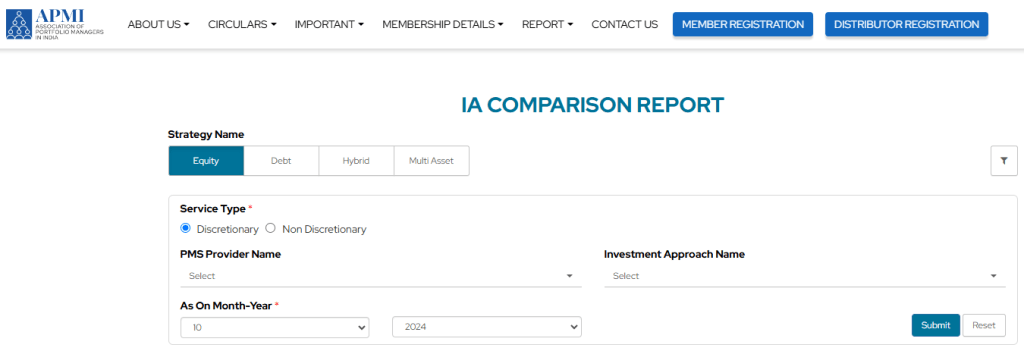
Official PMS Historical Performance and Fund Size related details are available at APMI website
 India Investment Corner